
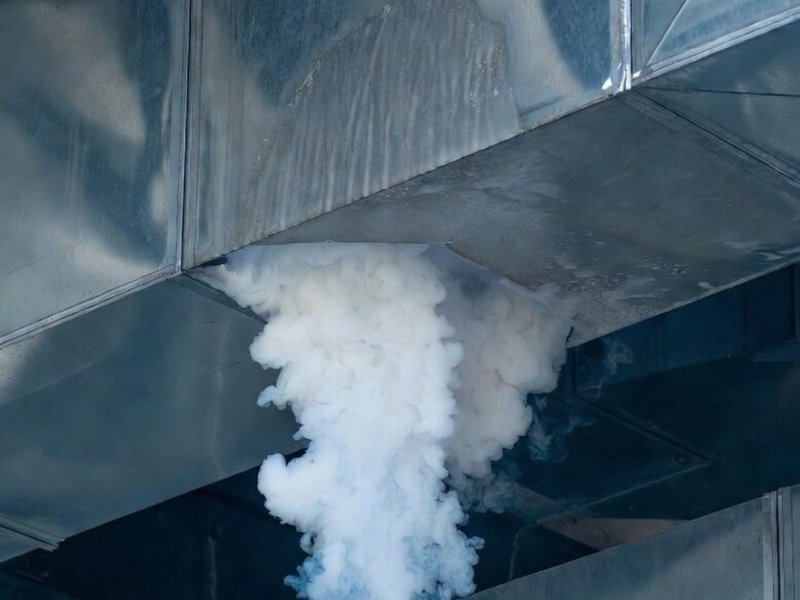
If the back bedroom is always the coldest room in winter and the hottest room in July, the problem may not be your furnace or your AC at all. In a lot of older homes around midtown and the eastside, the equipment is doing its job and the air just isn’t making it to the rooms. It’s leaking out somewhere between the air handler and the vent, usually up in the attic where nobody looks.
Why older Tucson homes are prone to duct leaks
Many homes built in the 1950s through the 1980s in neighborhoods like Sam Hughes, Broadmoor, Colonia Solana, and the streets east of Swan have ductwork that has been through decades of attic heat. In summer, a Tucson attic can get far hotter than the outdoor air. Year after year of that heat breaks down the tape, mastic, and flex duct jackets that hold the system together.
A few things we run into all the time on service calls in these homes:
- Old cloth duct tape that has dried out and let go. It looks fine from a distance and falls apart when you touch it.
- Flex duct that has been crushed, kinked, or pulled loose from a boot or a register, sometimes by someone working in the attic on something else.
- Disconnected runs. Every so often we find a duct that is simply lying open in the attic, blowing heated or cooled air into the insulation.
- Additions and remodels that tapped into the old system without anyone checking whether it could carry the extra load.
- Return side leaks that pull hot, dusty attic air into the system and spread it through the house.
Signs your ducts are leaking
You usually can’t see a duct leak, but you can often feel one. Watch for:
- One or two rooms that never match the rest of the house, in both heating and cooling season
- Weak airflow at certain vents even with a clean filter
- A system that runs a long time to reach the thermostat setting
- More dust than seems normal, even right after cleaning, and filters that load up fast
- Dark streaks on insulation around ducts when you look in the attic
- Rooms that feel stuffy or carry an attic smell when the system kicks on
None of these alone proves a leak. A dirty coil, a failing blower, or a thermostat problem can cause some of the same symptoms. That’s why we check the equipment and the ducts together instead of guessing.
Why winter is the right time to deal with it
Leaky ducts cost you in every season, but they are easiest to fix right now. Working in a Tucson attic in July is slow, hot, and hard on everyone. In November and December the attic is workable, the crew can take the time to do it right, and your home is ready before next summer’s heat shows up.
Heating season also makes the problem easier to spot. If the furnace or heat pump is putting out warm air at the unit but a room on the far end of the house stays cold, that points us right at the duct run. If your heat feels weak but you are not sure where the problem is, our post on why Tucson heat feels weak on a 50 degree night covers the equipment side.
How we track down and fix duct leaks
On a duct call, a tech will typically:
- Check the equipment first so we are not blaming the ducts for a blower or coil problem.
- Compare airflow and temperature at the registers to find the rooms that are coming up short.
- Inspect the attic runs, boots, and connections at the air handler, looking for loose, torn, crushed, or disconnected sections.
- Seal and repair with mastic and proper fasteners, replace damaged flex duct, and fix bad connections at the plenum and boots.
- Look at the return side, since a return leak in a dusty attic affects both comfort and the air you breathe.
Sometimes a few repairs fix most of the problem. Other times the ductwork is undersized or so far gone that patching it doesn’t make sense, and replacing sections or redesigning a run is the better answer. We’ll tell you which one you’re looking at, and why, before any work starts.
When ducts and equipment should be looked at together
If your system is 12 to 15 years old and you’re thinking about replacing it, don’t overlook the ducts. A new system connected to leaky, undersized ductwork won’t deliver the comfort you’re paying for. Our guide to repairing or replacing a 12 to 15 year old AC in Tucson goes through that decision, and we always look at the ductwork as part of installations and estimates.
If dust is the main complaint, sealing the return side is often the first step, and our indoor air quality solutions can help with the rest.
Keep it from coming back
Ducts don’t fail overnight. They wear out a little every summer. Having a tech look at the system twice a year catches loose connections and crushed runs before they turn into a cold bedroom or a dusty house. That’s part of what our maintenance plans and priority service are for, and our post on tune-up plans vs waiting until it breaks lays out when a plan makes sense.
The bottom line
If one part of your house never feels right, there’s a good chance the air is getting lost on the way. In older midtown and eastside homes, attic ducts are one of the first places we look. Get it checked during the cool months and you’ll head into next summer with every room pulling its weight.
Ready to find out where your air is going? Learn more about our ductwork repair in Tucson or, if the heat isn’t keeping up right now, our heating repair service. Call us at (520) 201-3865 or email info@serranosHVAC.com.